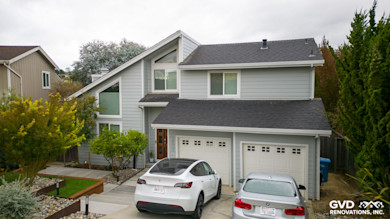
Siding Contractor in San Bruno
Fog-heavy microclimates like San Bruno's demand siding that shrugs off constant damp. GVD's certified crews install fiber cement in one to two weeks, with detailed pricing and a 4.9-star record across 921+ reviews.
Professional Siding Replacement in San Bruno
San Bruno homeowners hired GVD for each of the projects shown here. Every job started with a free detailed quote and was installed to James Hardie and LP SmartSide specifications by our in-house crews.


Tap images to enlarge
See More Recent Projects →License #989637 | 4.9/5 across 921+ reviews | James Hardie Elite + LP SmartSide Master | 2025 James Hardie Service Excellence Award — the only California contractor to win it
Homeowners calling GVD about siding replacement in San Bruno usually ask the same three things first: what it costs, how long the crew will be on site, and which material actually holds up here. The short answer: most projects run from install-day quotes based on square footage and material, most homes are finished in one to two weeks, and for San Bruno's fog-heavy microclimate, fiber cement is almost always the right call. The details below explain why, with real numbers and a straight timeline, not guesswork.
Get a free quote, $1,500 off your full siding project, and a free 3D rendering of your home in your chosen material and color, no obligation.
San Bruno Siding Before & After Gallery
Drag the slider to see real siding replacements GVD has completed in and around San Bruno.


What Siding Costs Here and What It Returns at Resale
Siding replacement pricing depends on square footage, material, home height, and how much of the old siding and sheathing needs to come off before new material goes up. GVD provides a free detailed quote with the complete scope and a firm total price before any work begins — no surprise charges once the crew is on site.
Resale value backs up the investment. Per the 2025 Remodeling Cost vs. Value Report, fiber cement siding replacement returns about 114% of its cost at resale (around $24,420 in added value), and vinyl about 97%. In a market like San Bruno, where buyers are comparing well-maintained homes against neighbors with peeling paint or warped boards, new siding is one of the more visible upgrades a buyer notices on the first drive-by.
Choosing Between Fiber Cement, Engineered Wood, and Vinyl
GVD carries three main material categories, each suited to a different budget and exposure level:
Fiber cement (James Hardie): Class A fire-rated on its own — the most common Class A choice GVD installs. Resists warping, rot, hail, and pests, and its factory ColorPlus finish holds color for decades without repainting. Lasts 30 to 50 years. It costs the most per square foot and takes longer to install, since it's heavier and requires more precise cutting.
Engineered wood (LP SmartSide): Treated wood with a real wood grain appearance, wax-sealed against moisture. Lasts 20 to 30 years. Lighter and faster to install than fiber cement, making it a solid mid-range choice for homes without heavy fog or fire exposure concerns. It is combustible on its own, yet LP SmartSide is CAL FIRE-listed for California WUI areas as part of a qualifying fire-rated wall assembly, which GVD can build where required.
Insulated vinyl: The lowest cost per square foot. A practical option for tight budgets or rental properties where long-term resale value matters less than upfront cost.
For San Bruno specifically, the marine layer that rolls in off the bay keeps humidity and fog sitting on north- and west-facing walls for much of the year. That kind of sustained moisture exposure is exactly what shortens the life of absorbent siding materials, causing swelling, warping, and eventual rot at seams and butt joints. Because of this, GVD recommends fiber cement for most San Bruno homes, particularly on fog-exposed elevations. It simply is significantly less susceptible to moisture-related swelling and decay than wood-based siding, so it holds its shape and finish through decades of foggy mornings.
When San Bruno Homes Call for Full Removal — and When They Don't
Old siding hides what's happening underneath: rotted sheathing, trapped moisture, pest damage, none of which show up until the wall is opened. That's why GVD removes old siding whenever sheathing shows rot, the existing layer is uneven, or code or the manufacturer requires it.
Full removal lets the crew inspect the sheathing, repair or replace any damaged sections, and install a proper weather-resistive barrier before the new siding goes up. In a humidity-prone area like San Bruno, that barrier and a dry, sound substrate matter as much as the siding material itself. When the existing wall is confirmed sound, flat, and dry and code and the manufacturer's specs allow it, siding over the old layer is a legitimate option — and either route, installed to manufacturer specifications, keeps warranties valid.
Climate Exposure and Fire Code Considerations
San Bruno sits in a mild marine climate with year-round humidity swings and heavy fog exposure on north and west elevations, but relatively moderate temperatures that reduce the heating and cooling extremes seen further inland. That combination means siding here has to handle sustained dampness more than temperature swings.
For homes in wildfire-adjacent zones or hillside areas with vegetation exposure, fiber cement carries a Class A fire rating on its own — the most common Class A siding choice GVD installs. Engineered wood and insulated vinyl are both combustible and are combustible, without the fire resistance of fiber cement, so they are not the recommendation for any fire-exposed elevation. Permits for siding replacement in San Bruno are pulled through the City of San Bruno Building Division, or through San Mateo County for unincorporated parcels nearby. GVD handles all permitting as part of the project.
What the Install Process and Timeline Look Like
Most homes are fully re-sided in one to two weeks. A single-story home around 1,500 square feet typically takes a few days to a week. Two-story homes, multi-color schemes, and any sheathing repairs found during removal will extend the schedule. Fiber cement also takes longer to cut and hang than vinyl, simply due to the material's weight and density.
GVD crews protect landscaping and hardscaping before work begins, clean the site daily, and provide firm start and finish dates in the detailed digital proposal, so homeowners know what to expect before the first panel comes off.
Warranties That Stay Valid
Every GVD project includes a written workmanship warranty alongside the manufacturer's material warranty. As a James Hardie Elite Contractor and LP SmartSide Master Contractor, GVD's certification status is what keeps those manufacturer warranties intact. Improper installation by an uncertified contractor is one of the most common reasons material warranties get denied, so certification isn't just a credential, it's what protects the homeowner's coverage.
Why San Bruno Homeowners Choose GVD
GVD is a local, family-owned contractor operating with its own in-house installation crews. The company is licensed, bonded, and insured under California license #989637, handles any required permits, and carries an A+ BBB rating alongside a 4.9/5 average across more than 921 GuildQuality and Google reviews. GVD quotes are free, written, and fixed-scope: you see the total price and exactly what's included before you sign anything.
Our Recent Exterior Projects Around San Bruno
Ready to Replace Your Siding?
San Bruno's fog and humidity don't wait, and neither should aging siding that's already absorbing moisture it can't shed. Before any work starts, GVD puts the full scope and a firm total price in a detailed digital proposal — free, and with no obligation.
Claim your $1,500 off and free 3D rendering before your next project start date fills up.
Serviced ZIP Codes: 94066
Try Our 3D Home Design Visualizer!
Ready to explore the possibilities for your home? Snap a photo to get started or spark your imagination with our sample homes.
Start Designing


Elite Certifications: James Hardie & LP® SmartSide
As a James Hardie Elite Contractor and LP® Certified Installer & LP® Master Level Preferred Contractor, we meet the highest standards for installation, service, and customer satisfaction in the industry.
We are fully insured with worker's compensation and general liability insurance to safeguard you and your home during our work.


GAF Certified Roofing Contractor


2025 James Hardie Service Excellence Award


LP Certified Installer Certificate


Angie's List Super Service Award

VSI Certified Installer

Best of Houzz 2020 Service Award


Financing made simple
- Fast application process
- Flexible payment options
- Check eligibility in minutes
Financing is offered through third-party lenders. Approval, rates, and terms depend on credit profile. Not all applicants qualify.

Checking eligibility will not impact your credit score






4.6/5

4.9/5

A+

5/5

5/5

5/5

5/5

4.8/5

5/5
Watch What Some of Our Clients Have to Say
Trusted by Thousands of Homeowners Across Northern California


Siding Contractor Near San Bruno
We bring the same crews, materials, and workmanship to every community around San Bruno.
Frequently Asked Questions
about Siding Installation & Replacement in San Bruno
How much humidity and fog exposure does my home actually get in San Bruno?
It depends on elevation and orientation, but north- and west-facing walls near the hills or closer to the bay tend to see the most sustained fog and moisture. GVD evaluates each home's exposure during the free estimate visit and recommends materials accordingly.
Is fiber cement worth the extra cost if my home doesn't face a fire zone?
Yes, for San Bruno's climate specifically. Even without fire exposure concerns, fiber cement's resistance to moisture absorption makes it the longest-lasting option in a fog-heavy environment, which offsets the higher upfront cost over the life of the siding.
Will GVD match my HOA's approved siding colors and styles?
Yes. GVD carries James Hardie, CertainTeed, Prodigy, and LP product lines with a wide range of factory-finished colors and profiles, and can produce a free 3D rendering of your home in the proposed material and color before work begins, useful for HOA approval submissions.
What happens if the crew finds rotted sheathing once the old siding comes off?
That's part of why GVD recommends removal when a wall's condition is in doubt. Any rot or damage found is documented, discussed with the homeowner, and repaired before new siding and a weather-resistive barrier go up, all covered in the detailed estimate process.