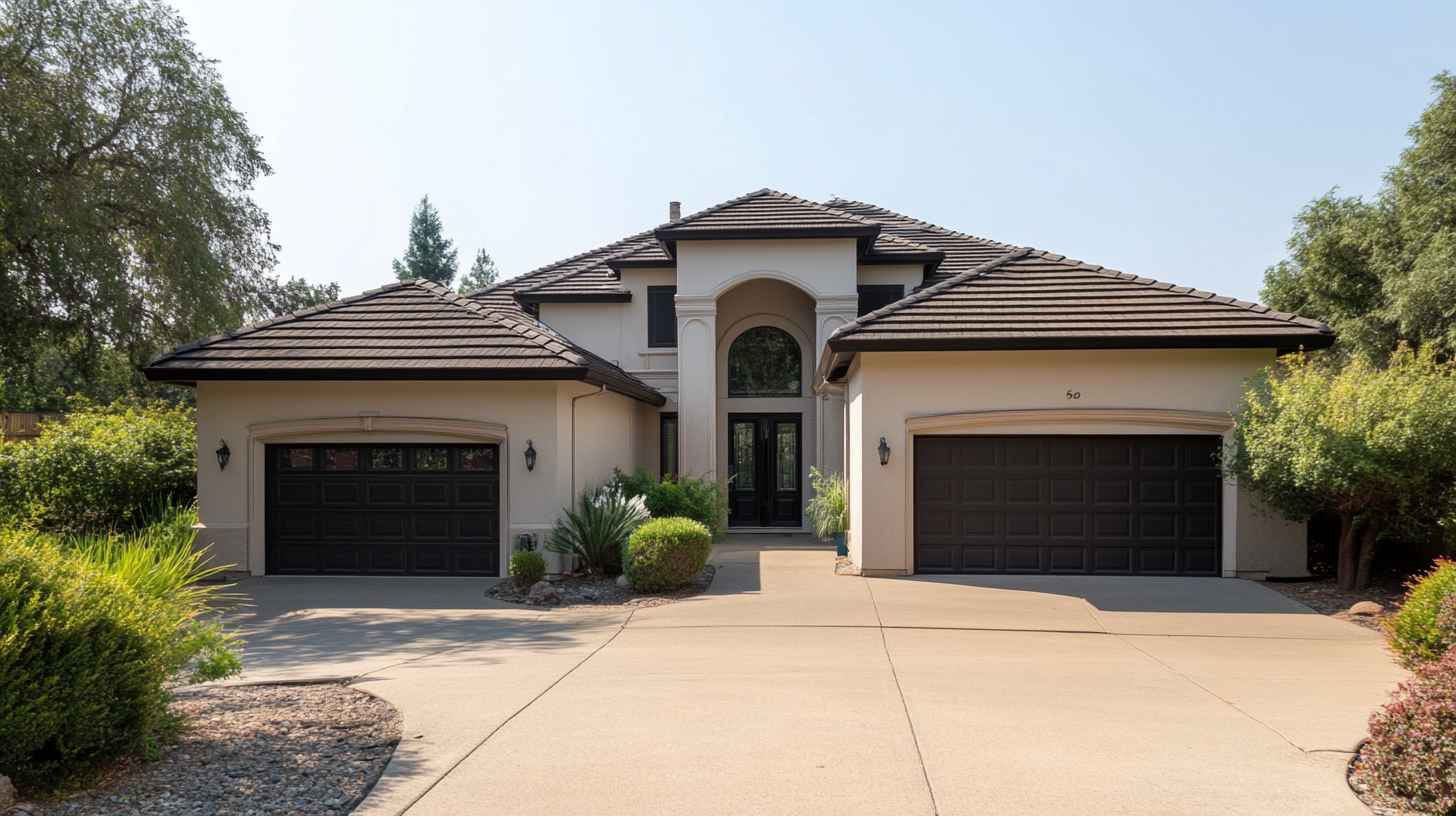
Sun City Lincoln Hills Roofing
The first honest question on any aging roof is whether it needs repair or full replacement, and that answer comes from an inspection, not a sales pitch.
Refined Roofing with Premium Craftsmanship & Concierge Care


Tap images to enlarge
See More Recent Projects →California contractor's license #989637, 4.9/5 across 921+ GuildQuality and Google reviews, NARI member, A+ BBB rating.
Key Takeaways
- The Class A rating on a roof belongs to the tested assembly, not to the covering alone, so the underlayment specified with it matters.
- A tile roof's underlayment usually wears out decades before the tile does, so a tile roof replacement is often really an underlayment replacement with the original tile reset.
- Most roof replacements need a permit, and GVD handles the process with the local building department when one applies.
- Get quotes from at least three contractors, since a wide spread between bids usually means one of them scoped the job wrong.
- A fire classification requirement, where it applies to your address, narrows the material list before appearance enters the conversation.
Roofing services we provide in Sun City Lincoln Hills, CA
The first honest question on any aging roof is whether it needs repair or full replacement, and that answer comes from an inspection, not a sales pitch. GVD examines your Sun City Lincoln Hills roof from the surface and the attic side to confirm the layer count, check the deck, and locate where water actually moves. You get the diagnosis first, and the recommendation follows from what the roof shows rather than from what closes a sale.
GVD Renovations handles the full range of roofing work a Sun City Lincoln Hills homeowner is likely to need, from a single cracked tile after a windstorm to a full tear-off on a 25-year-old shingle roof.
One project manager owns your roof from the inspection through the final walkthrough. National outfits that bid this market remotely send an out-of-area crew for a week and move on, which is fine until something needs looking at two winters later and there is nobody local to call.
Get a fixed-price quote for your Sun City Lincoln Hills roof: (916) 269-0761 or request a free consultation online.
What a Sun City Lincoln Hills roof faces
Roofs in this part of the region work harder than the marketing lifespan on the wrapper assumes. Sustained summer surface temperature on a dark shingle roof is the reason, and it accumulates over months rather than days.
That heat load matters because asphalt shingles lose granules and become brittle faster under sustained thermal cycling, which is the repeated expansion and contraction between hot afternoons and cooler nights. A shingle roof rated for 25 to 30 years in a mild coastal climate often falls short of that figure inland.
Fire classification is worth settling early even where you would not expect an overlay to apply, because the answer narrows the material list. We verify the requirement for your address rather than inferring it from the neighborhood.
Given both pressures, heat and fire exposure, a well-installed tile or metal roof can reasonably be expected to outlast a standard asphalt shingle roof by two to three decades, though actual lifespan still depends on installation quality and attic ventilation.
Choosing a roofing material for a Sun City Lincoln Hills home
Each of these materials is the right answer for some homes and the wrong one for others. What follows is what each actually does over its service life.
| Material | Lifespan | Fire rating | Best for |
|---|---|---|---|
| Concrete or clay tile | 40 to 50 years | Class A | Spanish and Mediterranean-style homes in fire-exposed areas |
| Asphalt shingle (Class A rated) | 18 to 25 years | Class A when assembly-rated | Budget replacement, standard tract homes |
| Metal (standing seam or panel) | 40 to 70 years | Class A | Fire-conscious owners, long ownership horizon |
Tile carries the highest weight, which asphalt and metal never require the roof structure to account for, so replacing tile with metal or shingle sometimes calls for a structural check first.
Concrete and clay tile: heat tolerance and weight
Tile is the material most people underestimate the lifespan of and overestimate the maintenance on. The tile itself routinely outlasts 50 years. The underlayment beneath it does not, and it is the underlayment that actually keeps water out, which is why most tile roof work is an underlayment replacement with the original tile lifted, stored, and reset.
Asphalt shingle: cost and lifespan in inland heat
Asphalt shingle remains the lowest upfront cost of the three options, which is why it still covers most production-built subdivisions. The tradeoff is that inland heat shortens the practical lifespan compared to the manufacturer's rated figure, since granule loss accelerates once shingle surface temperatures run consistently above what the product was tested at. Where a fire classification applies to your address, look specifically for shingles carrying a Class A rating as part of a tested roof assembly rather than the shingle alone, since the rating belongs to the assembly and not to the covering by itself.
Metal roofing: fire performance and insurance
Metal roofing runs higher per square foot than tile at installation and lower over the decades that follow, because there is no underlayment layer waiting to fail. If you plan to own the house for twenty years or more, that changes the arithmetic considerably.
Roof repair vs full replacement: when each makes sense
The honest answer depends on two numbers: what share of the roof surface is compromised, and how far through its service life the covering already is. A leak by itself settles neither.
When damage is isolated and the surrounding roof still has meaningful service life, a targeted repair — flashing resealed or a section of shingle or tile replaced — is usually the better spend. As damage becomes widespread or the roof approaches the end of its expected life, replacing the whole roof typically costs less over the remaining life than repeated patch work, which rarely matches the original material's water-shedding performance.
Age matters independently of damage extent. A 20-year-old asphalt shingle roof has likely used up most of its practical service life even without a single leak, so replacing it proactively before a winter storm exposes a weak spot often costs less than an emergency repair plus water damage remediation.
What a new roof costs in Sun City Lincoln Hills, CA
The deck under the covering is the one cost nobody can price from the ground, and rot or soft spots surface only after tear-off begins. That is why an agreed deck repair rate in writing protects you more than a slightly lower headline number that has no such rate attached.
Smaller roof, partial section, or detached structure, $5,000 to $17,000. A single roof plane, a garage or detached structure, or a section replaced rather than the whole roof. The total covers materials, labor, tear-off, disposal, and permit fees.
Asphalt shingle replacement, typical single-family home, $18,000 to $28,000. A full replacement on a standard pitch with a single existing layer. Includes tear-off, new underlayment, flashing at every detail, and disposal, with deck repair charged at the rate agreed before the tear-off begins.
Large or complex roof, $28,000 to $45,000. Steep pitch, multiple existing layers, multi-unit, or a roof whose plane count and penetration detail drive the labor well past a standard replacement. A material change to tile or metal also lands here.
The most expensive line on most replacements is labor and tear-off, not the roofing material itself, especially on a tile roof where removing and disposing of the old tile takes longer than stripping shingle. For the full pricing breakdown by scope, see our main roofing page.
GVD provides a detailed fixed-price proposal before any work starts. If tear-off exposes concealed decking or structural damage that couldn't reasonably be identified beforehand, the added repair scope and price are documented for your approval before that work proceeds.
How long a roof replacement takes here
How long it takes is a function of material, layer count, and roof complexity. We would rather give you an accurate number after seeing the roof than a generic one before.
You can generally stay in the house throughout the project, since the work happens entirely on the exterior and roof deck. The main disruption is noise during tear-off and the first layer of new material, plus the need to move vehicles away from the driveway while the dumpster and material delivery are on site.
Permits and inspections through the City of Lincoln
Whether a permit applies comes down to scope: a like-for-like re-cover is treated differently from work that alters the structure or changes the covering class. We confirm which applies to your address before the job starts, and file when filing is needed.
The permit process covers submittal, plan review where applicable, and scheduling the inspection that confirms the underlayment and flashing were installed to code before the final layer goes on. Skipping that inspection creates a real problem at resale: a title company or buyer's inspector who finds unpermitted roof work can require the seller to pull a retroactive permit, and some insurance carriers decline claims tied to unpermitted work discovered after the fact.
Filing a storm or hail damage insurance claim in Sun City Lincoln Hills
Homeowners filing a roof damage claim after a windstorm or hail event should move through the process in this order:
Filing is worth it when the damage exceeds your deductible by a meaningful margin. For damage close to the deductible amount, paying out of pocket sometimes avoids a claim history that affects future premiums.
How to choose a roofing contractor in Sun City Lincoln Hills
Nothing about a finished roof tells you how it was built. These are the things worth verifying before the work rather than after.
Spotting a bad roofing company
Storm-chasing outfits share a profile: they arrive after weather, they want money before work, they quote from the ground, and they are gone before the first winter tests the roof.
How many quotes to get
Get quotes from at least three contractors before committing, since a wide spread between bids usually signals one bidder either scoped the job incorrectly or is cutting a corner the others priced in.
License, insurance, and certification to verify
GVD carries California contractor license #989637, is a GAF Certified™ roofing contractor for both residential and commercial work, and provides proof of insurance and workers’ compensation coverage with every proposal, so the verification step takes a phone call rather than a records search. Verify any California license at cslb.ca.gov before you sign.
Why Sun City Lincoln Hills homeowners choose GVD
A roofing job in Sun City Lincoln Hills answers to the City of Lincoln, and knowing how that plan review and inspection process runs is something a storm-chasing outfit passing through cannot match. When a permit is required, GVD handles the permitting process and works to the standards the county inspector will check, so approvals do not stall the job. The work is done by our own in-house crews, one accountable team from the quote through the final walkthrough, not rotating out-of-area crews you cannot reach after the truck leaves. Before any of that, you can see and handle roofing materials in our showroom, compare profiles and colors in person, and decide with the samples in front of you rather than from a brochure.
We have worked through plan review across Placer County and neighboring jurisdictions, so when a permit is required our submittals match what inspectors expect the first time.
Our Rocklin showroom is about 9 miles away.
GAF Certified™ Roofing Contractor
GVD is a GAF Certified™ contractor for both residential and commercial roofing in Sun City Lincoln Hills (GAF ID 1152661). That certification qualifies your roof for enhanced GAF System Plus and commercial system warranties backed by North America's largest roofing manufacturer.
Get a fixed-price roofing quote for your Sun City Lincoln Hills home
Book the free inspection at (916) 269-0761. A GVD project manager walks your Sun City Lincoln Hills roof, establishes the layer count and deck condition, confirms any fire classification that applies to your address, and follows up with one firm total in a detailed digital proposal.
Serviced ZIP Codes: 95648, 95765
Try Our 3D Home Design Visualizer!
Ready to explore the possibilities for your home? Snap a photo to get started or spark your imagination with our sample homes.
Start Designing

We are fully insured with worker's compensation and general liability insurance to safeguard you and your home during our work.


GAF Certified Roofing Contractor


2025 James Hardie Service Excellence Award


LP Certified Installer Certificate


Angie's List Super Service Award

VSI Certified Installer

Best of Houzz 2020 Service Award


Financing made simple
- Fast application process
- Flexible payment options
- Check eligibility in minutes
Financing is offered through third-party lenders. Approval, rates, and terms depend on credit profile. Not all applicants qualify.

Checking eligibility will not impact your credit score






4.6/5

4.9/5
A+

5/5

5/5

5/5

5/5

4.8/5

5/5
Roofing Near Sun City Lincoln Hills
We bring the same crews, materials, and workmanship to every community around Sun City Lincoln Hills.
Frequently Asked Questions
about Roofing in Sun City Lincoln Hills
How much does a roof replacement cost in Sun City Lincoln Hills?
Most Sun City Lincoln Hills asphalt shingle replacements run about $18,000 to $28,000, with smaller or partial jobs starting near $5,000 and complex or larger roofs running $28,000 to $45,000 or more. Pitch, the number of roof planes, valleys, and material drive the final number.
Should I repair or replace my roof?
The honest answer depends on two numbers: what share of the roof surface is compromised, and how far through its service life the covering already is. A leak by itself settles neither.
Which roofing material lasts longest in Sun City Lincoln Hills?
Tile and metal roofs commonly last 40 to 70 years, far longer than asphalt shingle at roughly 18 to 25 years. The right choice balances service life, structural weight, and fire classification for your home.
Do I need a permit to replace my roof in Sun City Lincoln Hills?
Whether a permit applies comes down to scope: a like-for-like re-cover is treated differently from work that alters the structure or changes the covering class. We confirm which applies to your address before the job starts, and file when filing is needed.
How long does a roof replacement take?
How long it takes is a function of material, layer count, and roof complexity. We would rather give you an accurate number after seeing the roof than a generic one before.
Can I stay in my home during the roof replacement?
Yes. Roof work happens on the exterior and roof deck, so you can generally stay in the house throughout the project in Sun City Lincoln Hills.
What happens if the crew finds rotten decking during tear-off?
Concealed decking or structural damage can't always be seen before tear-off. If we find it, we document the added repair scope and price for your approval before that work proceeds, so there are no silent add-ons.
What should I do after storm or hail damage to my roof?
Document the damage with photos, contact your insurer within its notice window, and get an independent written assessment before the adjuster visits. GVD provides that assessment and meets the adjuster on site.